
Why Do Black Women Have Worse IVF Outcomes?
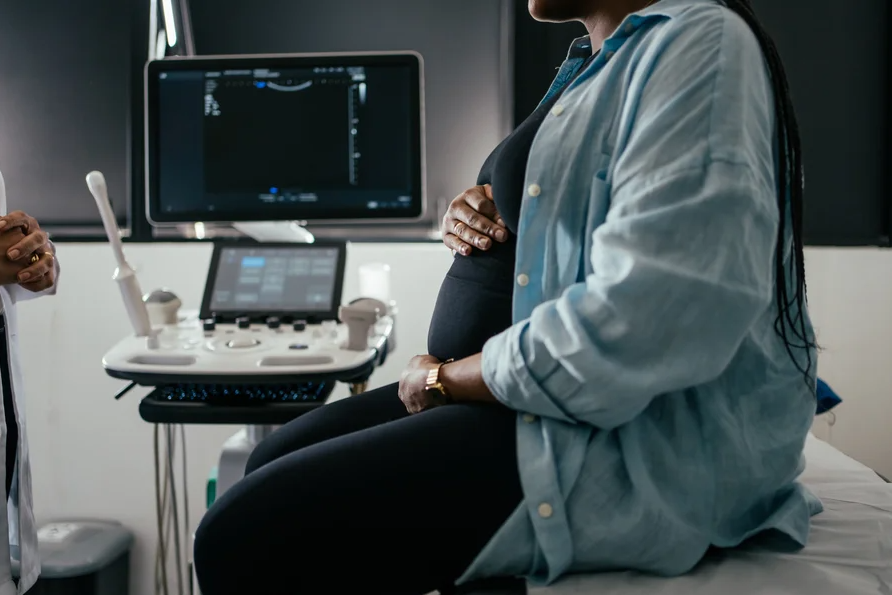
For the past two decades, fertility specialists have wrestled with a troubling question: Why do Black people have lower live birth rates after in vitro fertilization (IVF) treatment than white people?
Researchers have proposed several explanations, such as the fact that Black women have higher rates of fibroids—noncancerous growths that can interfere with embryo implantation, the delicate process by which an embryo burrows into the uterine lining and stays there. Another possibility is that their bodies simply don’t respond as well to IVF stimulation drugs—medications that push the ovaries to produce multiple mature eggs at once that are later inseminated to make embryos that can be transferred to the uterus in the hopes of establishing a pregnancy.
Dr. Tia Jackson-Bey weighs in on new study published by researchers at the University of Pennsylvania that aims to break down the IVF process step by step and offer insight into other researchers' earlier inconsistent findings regarding Black women and IVF.
To read the full article, click here.